


 Translation
 Transcreation
 DTP
DTP Multimedia
 Interpretation
 Copywriting
 Design
 Filming
 Technical Writing
 Digital Marketing
Rolling out one campaign across multiple markets can look efficient from the outside. The brand direction is approved, the visuals are ready, and the message feels strong. From there, it is easy to assume the next step is simply to translate the copy and launch country by country.
But that is usually where things become more complicated.
A campaign can be accurate in language and still feel slightly off in market. The wording may be correct, yet the design feels too rigid, the imagery too distant, or the user experience less natural than intended. This is often where design localisation becomes important. It sits between creative development, local market understanding, and localisation, and it can make a real difference to how well a campaign travels.
For teams managing regional or global campaigns, this is also where creative execution becomes more demanding. It is no longer only about translating content. It is about adapting the full experience so that the message still feels clear, relevant, and on-brand across markets.
Design localisation is more than translated copy
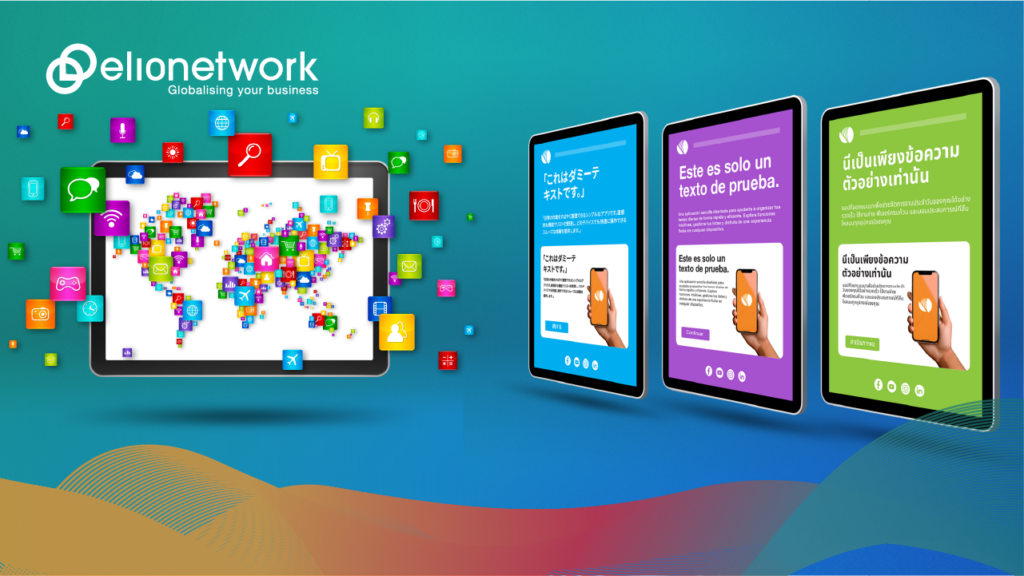
When people hear the word localisation, they often think first about language. And of course, language matters. But audiences do not experience a campaign through words alone. They also respond to the layout, pacing, visuals, typography, and overall feel of the content in front of them.
That is why design localisation is not only about replacing text in one language with text in another. It is about making sure the full creative asset still works when it moves across markets.
A headline may fit comfortably in English but expand in another language. A visual that feels warm and relatable in one place may feel generic elsewhere. A font that looks elegant in Latin script may not support another writing system in a way that feels equally natural. Even the way information is prioritised on a page can affect how local audiences respond.
This is one reason design localisation often overlaps with creative services. In practice, brands usually need more than translation support. They may also need multilingual copy adaptation, design reworking, resizing of creative assets, local market review, or help ensuring that visuals and messaging still align after adaptation.
Why it often gets missed
In many organisations, multi-market execution happens under pressure. Teams are juggling launch timelines, approvals, internal stakeholders, and brand consistency all at once. In that environment, localisation can end up being treated as the final production step rather than something considered from the beginning.
Creative files are often developed centrally and passed to local teams once the design is already fixed. By then, flexibility is limited. Text may be embedded into visuals, layouts may be too tight, and there may be little room to adjust imagery or structure. Even when local teams do their best, the output can still feel constrained.
This is not always a strategy problem. Often, it is simply a workflow problem. But the result is the same: brands miss the chance to make creative assets feel more natural in each market.
That is also why many companies look for support that combines localisation with creative execution. When language adaptation and design adaptation happen separately, the final result can lose cohesion. When they are handled together, campaigns tend to feel more polished and market-ready.
What global brands often miss
One of the most common issues is text expansion. English is often shorter than translated content, so banners, app screens, email headers, and call-to-action buttons can become cramped very quickly. When layouts are built too tightly around the source language, the translated version may still be correct, but the design starts to feel unbalanced.
Visual relevance is another area that often gets overlooked. The people shown, the setting, the styling, and even subtle expressions or gestures all carry cultural signals. A universal visual may save time, but it does not always build connection in every market.
Typography is also more important than many teams expect. Google and Adobe’s Noto Sans CJK is a useful reminder of this. The font family was designed to support Simplified Chinese, Traditional Chinese, Japanese, and Korean within one system while still respecting the distinct visual conventions of each language. That shows how typography in multilingual design is not only a technical issue. It also affects whether content feels readable and locally natural.
Then there is the user experience layer. Dates, currencies, units of measurement, address fields, and payment labels may seem operational, but they are part of design too. When they do not match local habits, trust can drop faster than many brands expect.
Real examples of design localisation in practice
This becomes easier to see in real campaigns. A recent example is Oreo’s “Milky Way Dunk” campaign in Southeast Asia. The campaign had to align teams across multiple markets and languages, while still allowing each market to adapt the idea in a locally meaningful way. That is a strong example of regional consistency combined with local creative execution. The platform stayed recognisable, but the way it came to life could shift market by market.
Another widely recognised example is Coca-Cola’s “Share a Coke.” The idea remained simple and consistent, but the campaign’s visible expression changed through local names, phrases, and personalisation in different countries. That is what makes it such a useful design localisation example: the brand identity stayed intact, while the campaign felt more personal and locally relevant in each market.
A third example comes from Airbnb, and it shows that design localisation is not limited to campaign visuals. By introducing more local payment methods and adapting the user journey for different markets, Airbnb made the experience feel more intuitive and familiar. It is a reminder that design localisation also lives in the details of usability, not only in advertising.
These examples help explain why design localisation often requires both strategic thinking and hands-on creative support. It is not just about having a good global idea. It is also about shaping that idea so it works naturally in each local context
Where elionetwork fits into this conversation
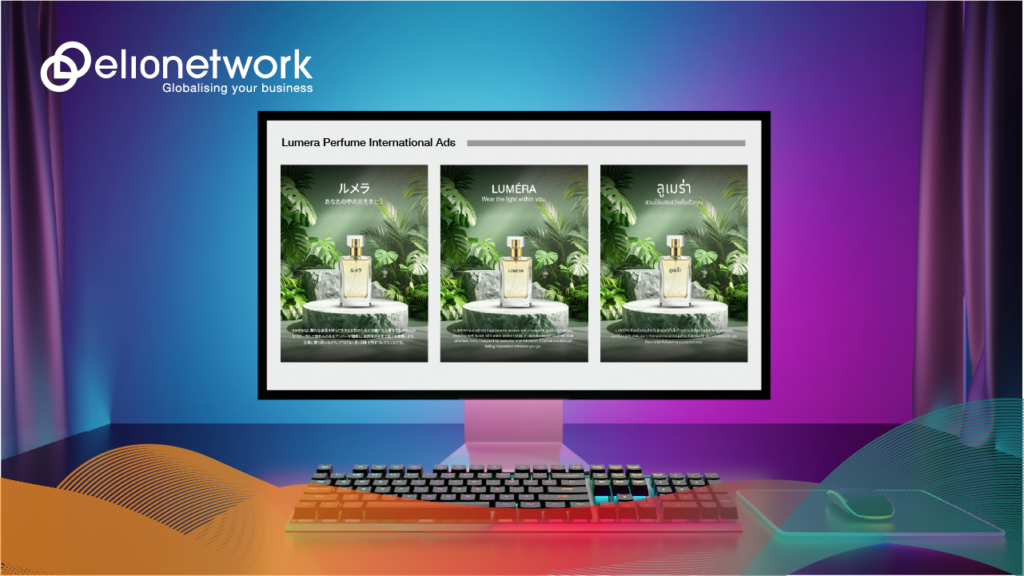
This is exactly where creative support can become valuable. For brands working across markets, adapting a campaign often means more than translating a headline. It can involve reworking layouts, adjusting visual hierarchy, localising copy for limited spaces, adapting designs for different platforms, and making sure the final asset still feels cohesive.
That is closely connected to the kind of work elionetwork supports. Alongside localisation, multilingual copywriting, and content adaptation, creative services can play an important role in helping brands prepare campaign assets that are more flexible and market-ready. Whether it is resizing visuals, refining multilingual content for design fit, or adapting materials for local audiences, the goal is the same: to help creative work travel better without losing its original intent.
In other words, design localisation is not separate from creative execution. In many campaigns, the two need to work together.
Final thoughts
Global campaigns are rarely only about reaching more people. They are about being understood in the right way by different audiences. That is why design localisation deserves a more central role in multi-market planning. It helps brands move beyond translated messaging and create content that feels clearer, more natural, and more relevant from one market to the next.
For teams reviewing how creative assets travel across regions, it may be worth looking not only at the words, but also at the design decisions around them. Sometimes a few thoughtful adjustments can make a global campaign feel much more local.
For brands managing multilingual campaigns, this is often where the right mix of localisation, copy adaptation, and creative support can make execution much smoother. If your team is exploring how to make campaign assets work more naturally across markets, elionetwork can support that process through localisation, multilingual content adaptation, and creative services that help global ideas feel more locally ready.
Meta decription: Learn why design localisation matters in multi-market campaigns and how it helps brands connect more naturally across regions.