
 Translation
 Transcreation
 DTP
DTP Multimedia
 Interpretation
 Copywriting
 Design
 Filming
 Technical Writing
 Digital Marketing
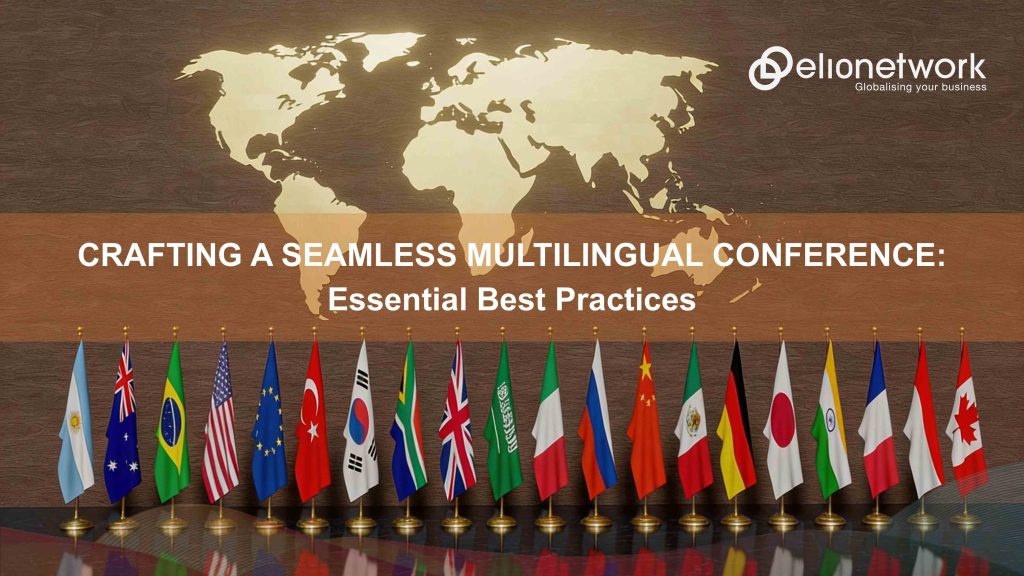
Imagine hosting a vibrant conference where professionals from across the globe come together, each speaking different languages, yet every attendee feels perfectly understood and fully engaged. Sounds like a dream, doesn’t it? Well, making this dream a reality is entirely possible with careful planning and thoughtful execution. This guide reveals the best practices for organising a multilingual conference that transcends language barriers, ensuring a seamless and inclusive experience for all participants.
Understand Your Audience’s Language Needs
The first step in organising a multilingual conference is understanding the language needs of your audience. Gathering data on the preferred languages of attendees through surveys or registration forms is key. By knowing their preferences in advance, you can tailor your event to cater to their needs, helping create an inclusive environment that fosters better communication and engagement.
For example, Google often hosts international events, and at one of their recent tech conferences, they surveyed participants beforehand. They found that, while most attendees spoke English, significant groups preferred Spanish, Mandarin, and French. Armed with this information, they were able to arrange interpretation services in these languages, ensuring all attendees could participate fully in the event.
Choose the Right Platforms and Technology Tools
Selecting the right platform is essential for a smooth multilingual conference experience. Look for virtual event platforms that support real-time translation and provide tools for interaction in multiple languages. Many platforms offer features like multilingual webinars, live chat, and real-time Q&A, all of which can be adapted for a multilingual audience.
Take Microsoft’s academic symposium as an example. They used a platform that generated automatic subtitles and offered real-time translation for presentations. This allowed participants to select their preferred language for subtitles, significantly enhancing their understanding and engagement throughout the event.
Professional Translation and Interpretation Services
Accurate and culturally relevant translation is vital for ensuring that your conference content resonates with all attendees. Working with professional interpreters who can provide live translations during sessions ensures that the integrity of the message is preserved. These interpreters should be skilled in both the language and the subject matter to ensure that the translation remains precise and contextually appropriate.
The World Health Organization (WHO) provides a great example. At their global health conferences, they employ professional medical interpreters who are familiar with complex healthcare terminology. This ensures that communication is clear and accurate between speakers and attendees from diverse linguistic backgrounds.
Manage Multilingual Content Effectively
Managing multilingual content is another crucial step. You’ll need to ensure consistency across all your materials, including event agendas, speaker notes, and promotional content. Professional translation services should be used to guarantee that your content is not only accurate but also engaging and relevant to your audience in each language.
It’s also important to consider formatting. Languages like Arabic or Hebrew are written right to left, so your event materials must be adaptable to these differences. The New York Film Festival, for instance, used adaptable templates for various languages to ensure their promotional materials, including posters and flyers, were available in the primary languages of their target audience.
Engage Your Audience Across Languages
Engaging a multilingual audience requires creativity and inclusivity. Interactive elements like live polls, Q&A sessions, and discussion boards in multiple languages help enhance the experience for all attendees. Furthermore, incorporating culturally relevant examples during presentations ensures that everyone feels connected and valued.
At IBM’s global business summit, organisers set up language-specific breakout rooms, giving attendees the opportunity to discuss topics in their native languages. This initiative facilitated more meaningful networking and deeper discussions, allowing participants to connect more effectively.
Test, Rehearse, and Ensure Seamless Communication
Thorough preparation is essential for a smooth multilingual conference. Testing all translation services and technology tools before the event ensures that everything runs as expected. Additionally, rehearsals with speakers and interpreters help identify any potential issues early on, allowing you to address them in advance.
The United Nations, for example, holds multiple rehearsals with technical staff, speakers, and interpreters ahead of their international environmental conferences. They also test all translation equipment and set up a hotline for technical support during the event to ensure that any issues can be resolved quickly.
Post-Event Follow-up and Evaluation
Once the conference is over, collecting feedback from your attendees is key to understanding how well the multilingual aspects of the event worked. Surveys sent out in multiple languages can help you assess the effectiveness of the translation services and the overall event experience.
Harvard University is a prime example. After a multilingual educational seminar, they sent out surveys in different languages to gather feedback on translation quality and overall satisfaction. This feedback informed improvements for future events, allowing them to better serve their global audience.
Conclusion
Organising a multilingual conference might seem daunting, but with thoughtful planning and the right strategies, it is absolutely achievable. By understanding your audience’s language needs, selecting the right technology platforms, and employing professional translation services, you can ensure smooth communication and high levels of engagement. Managing content effectively and engaging participants in their preferred languages will create an inclusive atmosphere that everyone can enjoy.
At elionetwork, we specialise in providing comprehensive language solutions tailored to the unique needs of your event. Our services include professional translation and interpretation, multilingual content management, and advanced technology integration to ensure your conference runs smoothly. With a team of experienced linguists and cutting-edge tools, elionetwork is your trusted partner in creating an engaging and inclusive multilingual experience. Contact us at elionetwork today to learn how our expert translation, content management, and event solutions can help you connect with a global audience seamlessly.