


 Translation
 Transcreation
 DTP
DTP Multimedia
 Interpretation
 Copywriting
 Design
 Filming
 Technical Writing
 Digital Marketing
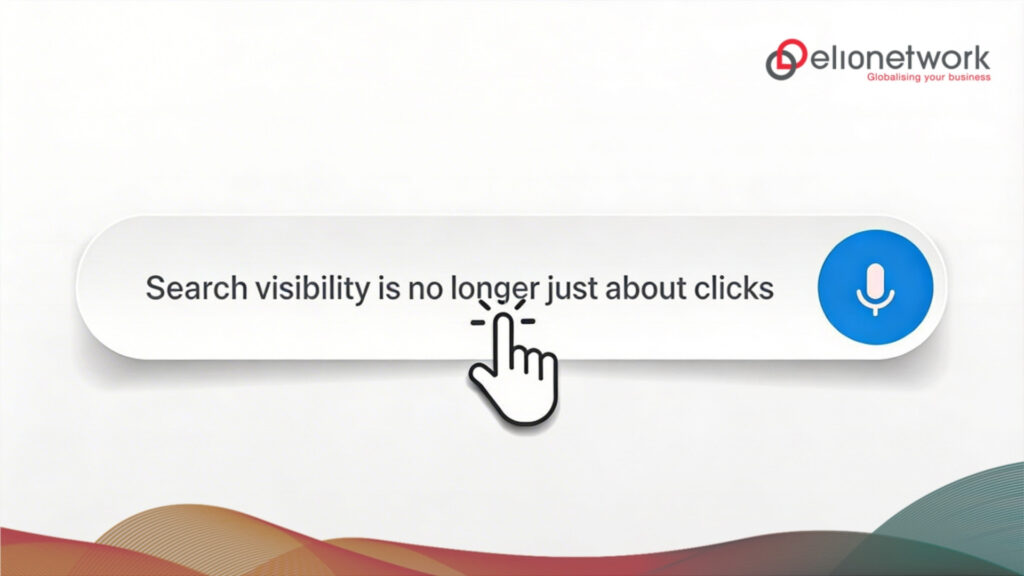
For some time, when people talked about automation SEO and AI, the conversation usually went in one direction: faster content production.
Can AI help write blog drafts faster? Can it suggest keywords? Can it speed up metadata, outlines, and content refreshes?
Yes, it can. But the latest news shows that automation SEO is becoming something much broader than that. It is no longer only about producing more content in less time. It is now about understanding how AI search experiences work, tracking when your brand is cited in AI answers, and building smarter workflows without losing quality along the way.
At elionetwork, we think this is an important shift. It means brands should stop seeing AI as just a content shortcut. Instead, AI should be treated as a support layer across the whole search process, from research and structure to visibility tracking and content improvement.
Search visibility is no longer just about clicks
One of the clearest updates came from Microsoft. In February 2026, Bing launched AI Performance in Bing Webmaster Tools public preview. This feature helps site owners see when their pages are cited in AI generated answers across Microsoft Copilot, Bing AI summaries, and some partner integrations. It also shows which URLs are being referenced and how citation activity changes over time.
That sounds like a small update, but it is actually a very big one.
For years, SEO teams have measured success through rankings, impressions, and clicks. Those numbers still matter, of course. But AI search is creating moments where your content may influence an answer even when the user does not visit your page in the old fashioned way. So if a brand is only measuring clicks, it may miss a growing part of search visibility.
This is where automation SEO is starting to evolve. It is not just about automating content creation. It is also about automating how you monitor citations, visibility, and presence inside AI driven experiences.
Google is making search more interactive
Google is moving in a similar direction, even if the shape is a bit different. In March 2025, Google introduced AI Mode as a more advanced search experience built for deeper exploration, follow up questions, and richer answers with links to the web. Then in March 2026, Google rolled out Canvas in AI Mode more broadly in the United States, giving users a space to draft documents and even build simple interactive tools right inside Search.
For marketers, this matters because it changes the role of search itself.
Search is becoming less like a results page and more like a working space. Users can ask longer questions, refine them, compare ideas, and sometimes complete part of the task without leaving the interface. That does not mean websites are no longer important, not at all. But it does mean brands need to think beyond traditional SEO reports. Visibility, authority, and usefulness are becoming even more central.
In a way, AI is pushing SEO teams to ask a better question: not only “Did we get the click?” but also “Were we visible, trusted, and helpful in the journey?”
SEO tools are shifting from writing support to workflow support
Another important sign comes from the SEO platforms themselves. Semrush announced AI search forecasting in late 2025 and later added Query Fan-Out Analysis, which helps brands understand the background search queries AI models may use when forming responses.
This tells us something useful. The market is moving away from simple “AI writing assistant” positioning and toward broader workflow automation.
That includes things like keyword clustering, content brief creation, search forecasting, internal linking ideas, reporting support, and refresh planning. These are all areas where automation SEO can save teams real time. And honestly, that may be where the value is strongest. Not in replacing people, but in reducing repetitive work so marketers, writers, and strategists can focus more on judgement and quality.
For multilingual and regional brands, this is especially relevant. Faster workflows are helpful, yes, but search content still needs to reflect local language, nuance, and search intent. AI can help with the heavy lifting, but human review still matters a lot.
Google is still warning against low value AI content
At the same time, there is an important reality check. Google has been quite clear that using AI or automation is not against its guidelines by itself. What matters is whether the content is helpful and whether automation is being used mainly to manipulate rankings. Google also says that generating many pages without adding value for users may violate its spam policies on scaled content abuse.
That part should not be ignored.
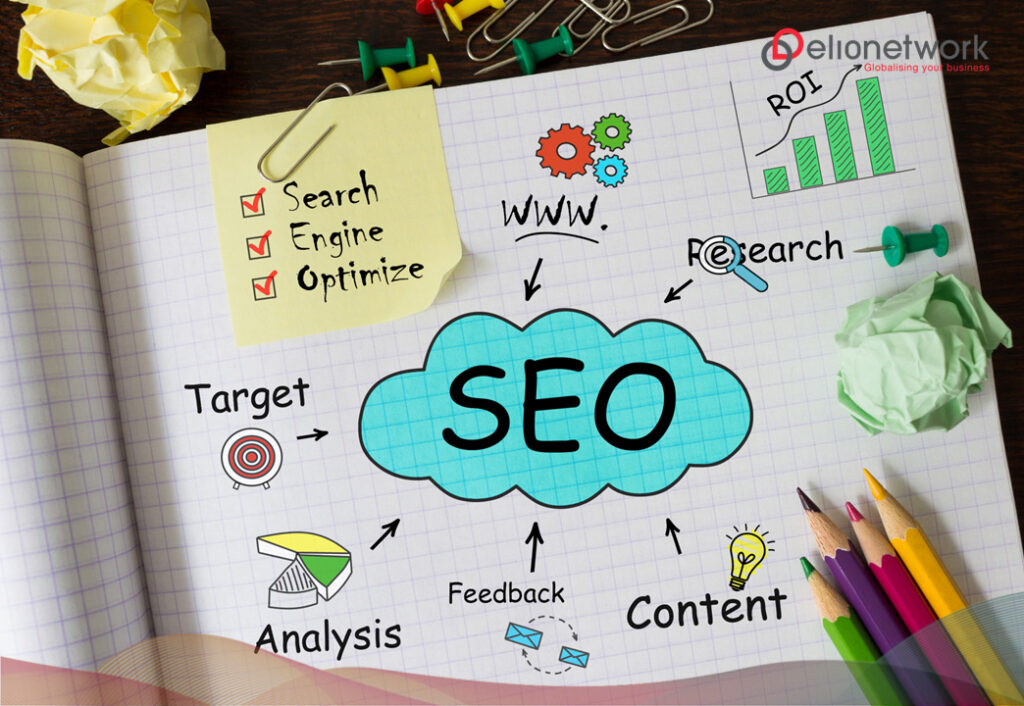
The best use of AI in SEO is not publishing endless low effort pages and hoping something sticks. It is using AI to support better work: faster research, clearer structure, smarter audits, better prioritisation, and stronger updates. Then the human team steps in to shape the final content, check accuracy, refine tone, and make sure the piece actually says something useful. Google has also advised creators to focus on unique, non commodity content that genuinely helps readers, especially as people ask longer and more specific questions in AI search experiences.
What automation SEO with AI should look like now
So what does good automation SEO look like today?
It looks balanced.
AI can support topic research, metadata drafting, schema suggestions, content gap checks, and reporting summaries. It can speed up the process and make the workload feel a bit lighter. But it should still sit inside a thoughtful workflow with editorial review, fact checking, brand consistency, and where needed, localisation.
That is probably the most useful way to think about AI in search right now. Not as a button that “does SEO”, but as a tool that helps teams do SEO more clearly and more efficiently.
Final thoughts
The latest updates make one thing very clear: automation SEO is no longer only about writing faster with AI. It is becoming a more complete practice built around visibility, workflow improvement, and content quality. Microsoft is giving brands a way to track AI citations. Google is turning search into a more interactive environment. SEO tools are adapting by helping teams understand and plan for AI driven discovery.
For brands, that is not bad news. It is just a sign that SEO is changing again, maybe a little faster than some teams expected.
At elionetwork, we believe the strongest results will come from combining smart automation with human clarity, local understanding, and content that still feels genuinely helpful. That part matters more than ever. Need support creating search content that works across markets, languages, and changing AI search experiences? elionetwork is here to help you build it, carefully and clearly.