

 Translation
 Transcreation
 DTP
DTP Multimedia
 Interpretation
 Copywriting
 Design
 Filming
 Technical Writing
 Digital Marketing
If you plan multilingual events in Singapore, you already know the crowd is rarely “one language, one audience.” Even when everyone speaks English, people process information differently, especially when the room is loud, the content is technical, or the pace is fast.
That’s why multilingual support is shifting from “extra help” to “event basics.” The clearest trend right now is real-time access: live captions that keep everyone on track, and simultaneous interpretation that helps messages land with nuance, across communities.
Why Singapore is raising expectations
Audiences at multilingual events are used to switching between languages in daily life. So when an event makes it hard to follow, people notice quickly. They might still attend, but they disengage. Questions stop coming from the audience. Important details get missed, and the content doesn’t travel beyond the room.
The new benchmark is simple: an event should feel easy to follow in the moment, without attendees having to work for it.
Live captions are becoming the default layer on big stages
One of the strongest signals is how often organisers now treat live captions as part of the core stage setup. A recent announcement tied to a major Singapore conference programme described captions running across all main stages, framed as a way to keep sessions accessible and inclusive for a global audience.
What’s changed is the purpose. Captions are no longer just an accessibility tick-box. They help everyone catch jargon, names, and fast transitions. This also reduces confusion when accents vary, while in hybrid sessions captions make things smoother whenever audio isn’t perfect.
Another reason captions are accelerating is what they unlock. Once you have accurate text in real time, it becomes easier to extend the experience into multiple languages, including voice outputs built from caption feeds. That same announcement even highlighted multilingual voice translation built on top of captioning workflows, another sign of how multilingual events Singapore are setting new expectations.
Simultaneous interpretation is expanding beyond “international delegate” use cases
At the same time, Singapore is normalising real-time interpretation in contexts that aren’t strictly corporate or international. In a public-facing, national festival setting, organisers introduced simultaneous interpretation from Chinese, Malay, and Tamil programmes into English, specifically to widen access and encourage cross-cultural discovery.
That’s a useful reminder for brands and big organisations. Multilingual support isn’t only for overseas visitors. It also helps local audiences participate comfortably, even when they’re bilingual on paper. This is why multilingual events Singapore are becoming the model for inclusivity.
What the “new standard” looks like in practice
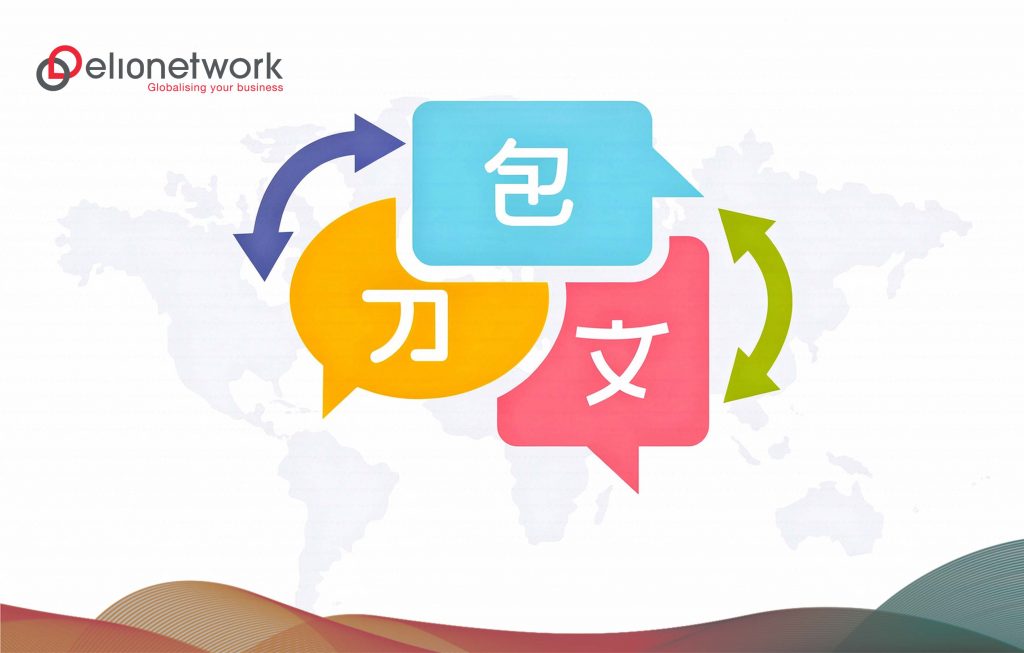
The new standard is not “translate everything.” It’s real-time access, in the format that works best for the audience.
For many events, that means captions across most sessions, then interpretation for moments where nuance matters, like leadership messaging, stakeholder updates, customer commitments, or sensitive Q&A. When these two layers are planned together, the experience feels natural. When they’re added late, they often feel clunky or inconsistent. This is especially true in multilingual events Singapore, where clarity is expected.
How to deliver multilingual experiences without making production heavier
Start with the moments that must land The easiest way to keep things manageable is to prioritise. Choose the sessions where misunderstanding has a real cost, or where engagement matters most. Once that’s clear, you can decide where captions are enough and where interpretation is worth it.
Prep language assets earlier than you think Most multilingual issues don’t happen on stage. They happen when decks are finalised too late, terminology is unclear, or speakers add last-minute content. A simple prep pack makes a big difference: a clean slide deck, structured speaker notes, and a short terminology list that includes product names, acronyms, and preferred phrasing.
This also protects brand consistency. When translations come in after design is locked, you get cramped layouts, tiny fonts, and awkward line breaks. Building multilingual into the content workflow earlier avoids that.
Treat language as part of the run-of-show Multilingual delivery has timing. Mic handovers, speaker pacing, and Q&A flow all affect the experience. A short rehearsal that includes language support often prevents the most common on-the-day issues, especially for hybrid setups.
Plan post-event reuse from day one Captions and transcripts aren’t just for the live room. They can feed highlight clips, internal recaps, PR notes, and regional follow-up content. If you plan this early, your team spends less time cleaning up messy notes later. For multilingual events Singapore, this reuse is especially valuable.
Where elionetwork supports this work
This is exactly where elionetwork fits, especially for teams that need multilingual delivery to feel polished, on-brand, and coordinated.
We provide simultaneous and consecutive interpretation across 55+ languages, supporting meetings and multilingual events Singapore where accuracy and tone both matter.
We also handle translation and localisation for event content like agendas, speaker scripts, slide copy, signage, attendee communications, and post-event summaries, with coverage across more than 55 languages.
Because language rarely sits alone, we support the content side too, including copywriting and creative design so multilingual materials stay clear, natural, and visually consistent once adapted for different markets.
And if you need an extra pair of hands on execution, we also provide event management support for physical, virtual, or hybrid formats.
Conclusion
Multilingual events Singapore are quickly becoming part of what “good” looks like. Live captions help audiences stay with the content in real time, and interpretation helps the message land with the right nuance when it matters most. When those layers are planned early, the event feels smoother, more inclusive, and more professional overall. It’s no longer about doing “extra.” It’s about meeting the baseline expectation of clarity across languages.
If you’re planning multilingual events Singapore and you’re not sure where to start, elionetwork can help you map the right approach, from the sessions that need interpretation to the content that should be localised before it goes on screen. Reach out for our multilingual event checklist or allow us to look at your run of show so we can design a practical plan that works for your audience and timeline.