


 Translation
 Transcreation
 DTP
DTP Multimedia
 Interpretation
 Copywriting
 Design
 Filming
 Technical Writing
 Digital Marketing
If you’ve been in the e-commerce game for a while, you’re probably familiar with localisation. But if not, this is important to know: Southeast Asia has one of the world’s most diverse populations and it makes sense that your website should be tailored to suit each market accordingly.
With more than 680 million people living across 11 countries in Southeast Asia, there are important differences across borders for businesses to consider. To localise means to tailor your business so that it meets the needs of local shoppers in every different country that your business operates in.
One of the most crucial in recent years is e-commerce payment systems. While cultural and language barriers are important to consider, effective localisation of payment systems means that your site meets your customers’ needs and makes life easier at checkout. A good system ultimately ensures that shopping online is a seamless, value-adding experience for shoppers.
The potential earnings that would be unlocked from getting it right cannot be overstated. Recent research from Google, Temasek and Bain shows that Southeast Asia’s digital economy is on track to surpass US$300 billion in gross merchandise value (GMV) by 2025, with e-commerce as a core driver, while Asia-Pacific’s overall e-commerce market is expected to approach US$2 trillion over the coming years.
Below are some key reasons localising your e-commerce payment system is crucial to survive and thrive in the region.
E-Commerce Success Depends On Local Payment Preferences
Payment method variety dominates the Southeast Asia landscape
Any e-commerce business would do well to understand what its customers from different countries are looking for and how they interact with its site.
This is especially true for payment methods, as a lack of the right options in each country could significantly affect conversions. It is found that 59% of online shoppers would abandon their carts if their preferred payment methods are unavailable. Moreover, offering the top three preferred payment methods for e-commerce in a country would improve conversion rates by 30%.
Although some commonalities can be identified across the countries in Southeast Asia, variety of payment methods remains a key characteristic of its e-commerce landscape.
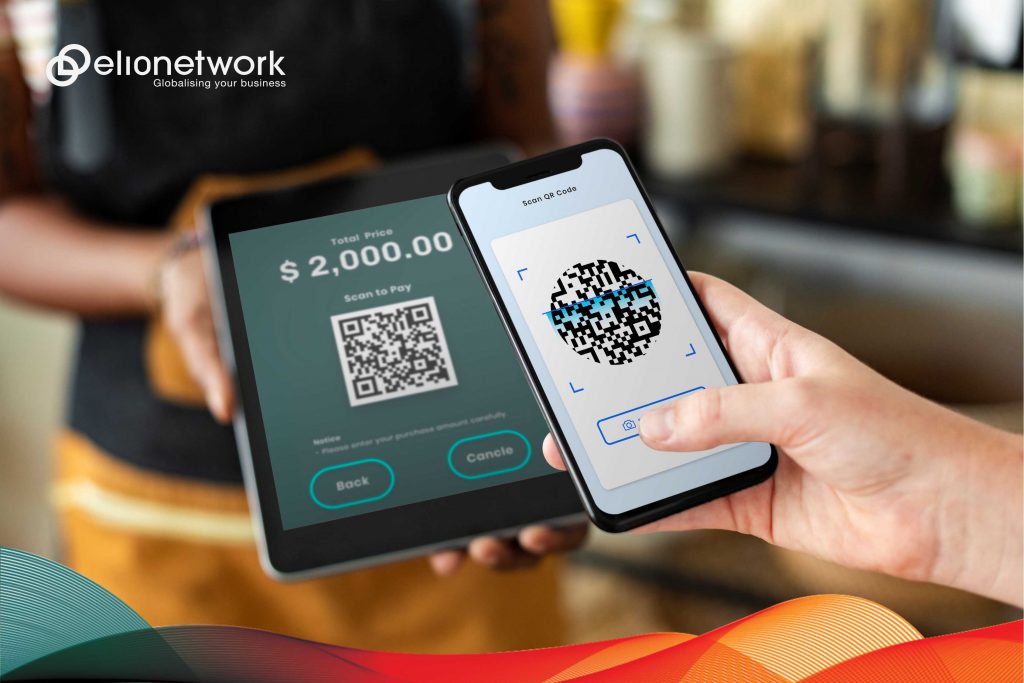
Preferred payment methods by country
According to a 2020 study on e-commerce payment methods by global payments solutions brand Rapyd, these were the top payment methods for Indonesia, Malaysia, Singapore, and Thailand at that time (Asia Pacific eCommerce & Payments Guide, 2020).
Indonesia:
- OVO e-wallet (69%)
- Debit card (67%)
- ATM transfer (64%)
- Go-Pay e-wallet (62%)
Malaysia:
- Maybank2u bank transfer (65%)
- Cash-on-delivery (COD) (65%)
- Debit card (64%)
- Touch ‘n Go eWallet (60%)
Singapore:
- Credit card (75%)
- PayNow real-time transfer (70%)
- Cash over-the-counter (OTC) (63%)
Thailand:
- True Money eWallet (66%)
- COD (60%)
- Credit card (55%)
Other sources show that preferences in Philippines and Vietnam are quite different too:
Philippines:
- Cash OTC (37%)
- PayMaya bank transfer (29%)
- Cards (22%)
Vietnam:
- Cards (mostly debit) (31%)
- Cash (26%)
- Bank transfer (23%)
It is worth noting that only between 20 to 30% of shoppers across most countries in the region use credit cards, with the exception of Singapore. The common method preferred among ASEAN countries is cash.
How preferred payment methods affect e-commerce businesses
Different payment methods have different implications on the online shopping experience. From e-wallets to cards, cash and bank transfers, it can be costly for e-commerce businesses to integrate every possible option just to accommodate various types of shoppers in a market. On top of that, many shoppers would need a user interface that enables them to search, browse, and checkout seamlessly.
As for cash transactions as a preferred payment method, it can pose substantial risks if a system is not in place to manage them properly. Businesses that offer COD aren’t able to secure payment while bearing the costs of logistics; if the item is rejected upon arrival, they bear the costs of its return too. Despite the potential drawbacks, many choose to offer this payment option to reach a much broader consumer base, and that’s because about 290 million people in the region are still unbanked, according to the World Bank and regional financial inclusion studies.
Being Responsive To Local E-Commerce Trends
In what ways can e-commerce businesses localise for ASEAN countries?
Firstly, they need to tailor the shopping process to suit the local culture and languages. Secondly, they need to anticipate the needs of customers with an up-to-date understanding of the local and regional market. In most cases this comes as a tall order for businesses. So having a localisation partner for such needs will go a long way in helping businesses stay cost-effective and responsive in catering to specific shopping behaviors.
The need for strong grasp of local languages and culture
Language matters in every step of the payment flow for online shopping. Without the appropriate terms, phrases, information and call-to-actions, problems can emerge that would cause shoppers to abandon their carts.
Here are examples:
Filling out delivery information:
The shopper may find that some of the fields to fill out are too complicated or difficult to understand.
Filling out payment information:
The shopper may not be able to find information to assure them of a safe and secure transaction, and so choose not to key in their payment information.
Confirming the order:
When there is any order rejection or missing one-time password (OTP), the shopper could not identify where it went wrong or know what to do next.
The fix often lies in proper translation within an intuitive user interface, so that shoppers have a clear understanding of what they need to do in each step of the payment process.
At the same time, businesses need localised and multilingual customer service support at key points in the order fulfilment process. From making sure buyers understand the seller’s policies to addressing their complaints regarding their deliveries, a localisation partner has a crucial role to play in ensuring a business speaks the language of a market. Doing so helps minimise losses and cushion its reputation from irreparable damage.
The Importance of Market Awareness
Adaptability also means staying in touch with shifts in the e‑commerce landscape and knowing how to respond. For instance, the early boom of social commerce, or e‑commerce via social media, saw orders double and GMV triple between 2019 and 2020, according to iKala’s NEW RETAIL 2020. Since then, livestream shopping and platforms like TikTok Shop have made social commerce a mainstream channel in markets such as Indonesia and Thailand.
This trend creates a greater need for localisation. Live selling highlights the immediate effects of language barriers. Partnering with a localisation agency is now a strategic imperative for businesses that want to remain relevant and profitable in e‑commerce.
Start With The Right Localisation Partner
You may be able to get a head start on your competitors by knowing how e-commerce shopping behaviours differ in Southeast Asia, and as such understand the role of localising payment systems.
To localise a payment system essentially means to adapt all aspects of the payment process to a local market that provides a seamless online shopping experience for its shoppers. On that front, elionetwork is a trusted localisation partner for payment systems with decades of expertise in helping businesses to:
- Localise the language of payment terms and policies
- Provide multi-currency support
Why choose elionetwork as your localisation partner?
elionetwork is uniquely equipped to partner with e-commerce businesses.
In addition to our expertise in localisation and globalisation of e-commerce businesses, we possess extensive linguistic expertise that makes us able to persuasively appeal to local sensibilities. We apply our translation resources across major regions to arm businesses with the right tools for international growth. Broad technical know-how has also enabled our localisation team to be effective across a wide range of e-commerce platforms.
Ready to enhance your e‑commerce experience across Southeast Asia? Please get in touch with us to explore how we can support your localisation and growth efforts.