


 Translation
 Transcreation
 DTP
DTP Multimedia
 Interpretation
 Copywriting
 Design
 Filming
 Technical Writing
 Digital Marketing
Design is changing faster than ever. As AI tools become more widely adopted, audiences are also craving more authenticity, personality and cultural relevance from the brands they follow. Recent reports on graphic design trends for 2026 highlight how technology, craft and storytelling are merging: AI assisted aesthetics, motion first design, inclusive imagery and eco conscious visuals are now central themes rather than niche experiments. Overall, emerging trends point toward a more human, values driven creative direction.
For regional and global brands, especially those working across Asia–Pacific, understanding these creative design trends for 2026 is not about chasing fashion. It is about choosing which ideas genuinely support your brand promise, then adapting them to each market’s language and culture. As a global creative agency, elionetwork sees these shifts in the briefs we receive every day, from requests for hyper‑personalised visuals to localised motion content and more sustainable creative systems.
1. AI and human creativity become permanent partners
By 2026, AI is no longer seen as a novelty; it has become a familiar tool within the creative workflow. Trend reports note that designers are using AI to generate layout suggestions, colour palettes and rapid prototypes, while keeping humans firmly in charge of quality, ethics and brand consistency. Emerging discussions describe ‘AI‑assisted aesthetics’ as one of the defining themes of the year, where AI accelerates experimentation but never replaces human judgement.
In practice, this means creative teams can explore more variations in less time, then refine the strongest concepts manually. In many workflows, AI now supports multilingual creative exploration by quickly testing different layouts, image directions and tone‑of‑voice options for various markets. Human designers, copywriters and linguists still make the final decisions, ensuring that every asset feels on‑brand, culturally appropriate and emotionally resonant.
2. Hyper-individualism and imperfect visuals
Another strong direction for 2026 is the push toward hyper‑individual, imperfect visuals. Instead of the ultra‑polished look often associated with algorithmic design, brands are embracing unusual compositions, rough textures and visible ‘human touches’. Many trend discussions highlight a shift toward ‘hyper‑individualism’ and ‘tactile craft’, where hand‑drawn elements, candid imagery and idiosyncratic layouts help brands feel more personal and real.
Similarly, 2026 is shaping up to be a year when imperfection is intentionally left in: brush strokes, uneven colour, slight asymmetry and glitch‑inspired effects are used to express personality and authenticity. For brands, this is an opportunity to move away from generic stock visuals. It allows them to create campaigns that reflect the real people behind the business. In many creative workflows, imperfect and expressive visuals are paired with local storytelling. Hand‑drawn graphics inspired by regional motifs or typography that echoes local signage help build deeper emotional connections with audiences.
3. Tactile craft, folk motifs and organic flow
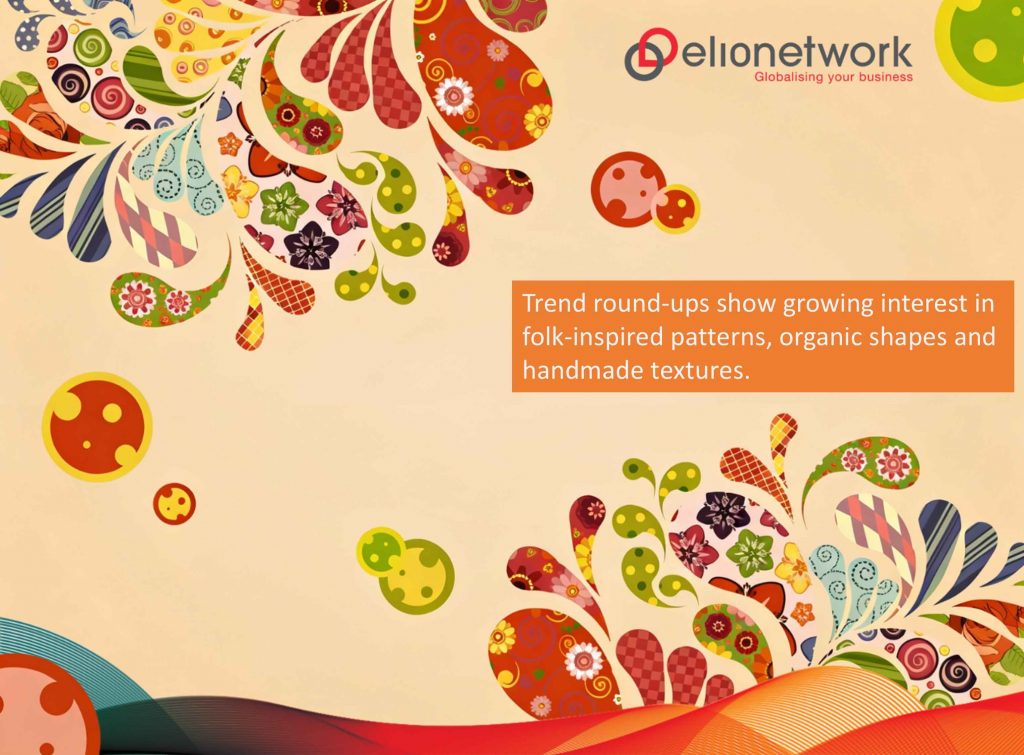
Alongside hyper‑individualism, 2026 also brings a renewed appreciation for craft and cultural heritage. Trend round‑ups describe a rise in folk‑inspired patterns, organic shapes and textures that feel handmade rather than digitally smooth. Many discussions highlight how brands are using folk‑art references, stitched textures and natural materials to communicate warmth, authenticity and a strong sense of place.
This direction appears across brand identities, packaging and digital campaigns. Design analyses for 2025/2026 point to minimalism with bold colours, interactive graphics and sustainable aesthetics, but with more organic, flowing forms than earlier minimalist movements. For international brands, these trends become especially powerful when combined with localisation: a global design system can include flexible templates that allow local teams to weave in patterns, symbols and colours rooted in each culture, while still maintaining overall brand coherence.
4. Neo-minimalism: clean, calm and richly detailed
Minimalism is not going away. It is evolving. For 2026, many sources describe a neo‑minimalist direction. Simple layouts and generous white space now combine with richer details, luxurious accents or bold typography. Earlier forecasts identified bold minimalism, metallics and handcrafted details as rising themes. Recent discussions also highlight expansive whitespace, expressive typography and tonal palettes. Designers are using these elements to tell more intentional and meaningful stories.
For brands, this means interfaces and campaign visuals that feel calm and focused, but not empty. A hero section might feature a single strong product image and a concise localised headline, surrounded by whitespace and subtle motion, while details such as textured backgrounds or refined iconography add depth. At elionetwork, we find that this style tends to work quite well for finance, healthcare and B2B tech. These fields rely a lot on clarity and trust. But at the same time, people still expect a modern, premium look, so you can’t make things too plain.
5. 3D elements, mixed media and motion-first storytelling
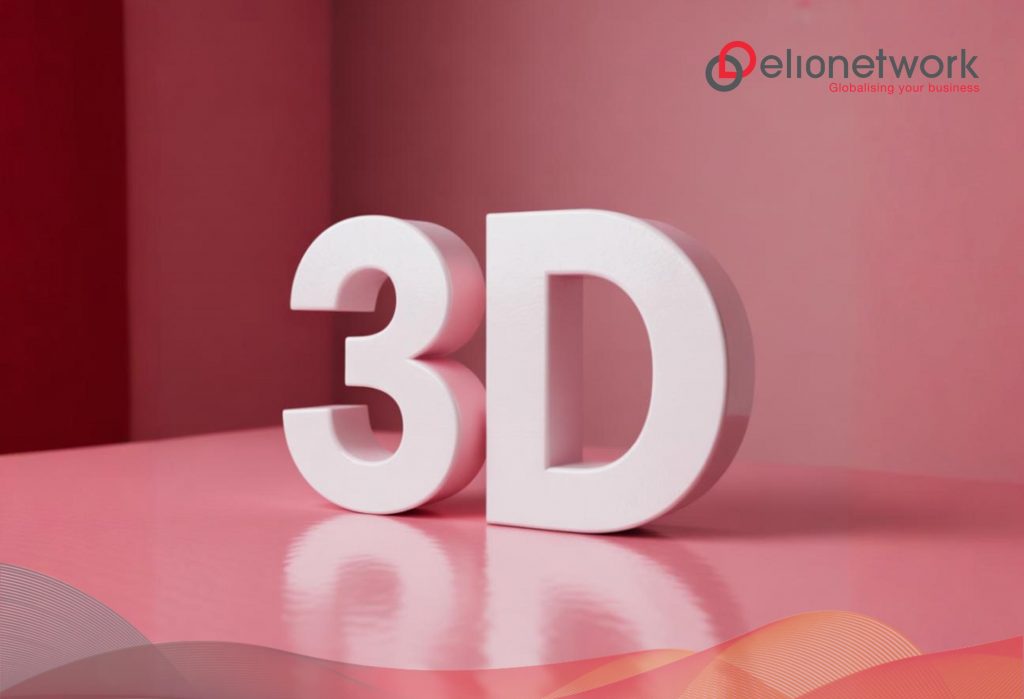
3D and mixed‑media visuals are becoming part of everyday communication rather than special effects reserved for large campaigns. Reports on 2026 design trends emphasise ‘3D elements everywhere’ and ‘mixed media and dynamic collages’ as core directions, where photography, illustration, 3D renders and typography are layered together in motion‑led compositions. Articles highlight how these combinations create immersive, cinematic stories, especially in vertical video formats and interactive web experiences .
In parallel, many discussions note that ‘motion‑first design’ is becoming standard, with micro‑interactions, animated UI elements and dynamic transitions used to keep users engaged.For global brands, the challenge is to ensure that this motion remains meaningful across languages and cultures. elionetwork supports this by localising on-screen text, subtitles, motion timing and even visual metaphors. This ensures that each market receives a version of the story that feels native, not just translated.
6. Colour stories: saturation, softness and sustainability
Colour trends for 2026 show an interesting balance between high saturation and calming neutrals. Many design‑trend round‑ups note that bold contrast and saturated palettes will continue to dominate digital campaigns because they cut through visual noise on small screens. At the same time, there is a parallel appetite for soft, airy neutrals that evoke tranquillity and renewal, reflected in discussions around Pantone’s 2026 Colour of the Year, ‘Cloud Dancer’.
For brands, this means moving beyond one‑size‑fits‑all colour strategies. A campaign might use a calm, neutral foundation to reflect audiences’ desire for stability and clarity. Saturated accents can then highlight key elements such as calls to action, promotions or important messages. These colour stories can also be adapted for specific markets. Local cultural meanings, accessibility needs and even seasonal associations all play a role in shaping the final palette.
7. Eco-conscious and inclusive design by default
Sustainability and inclusivity are no longer optional messages; they are shaping the design language itself. Articles on packaging and branding describe a shift toward hyper‑sustainable materials, minimalist yet meaningful design and digital‑interactive packaging that reduces waste. Broader design‑trend guides for 2025/2026 emphasise eco‑conscious palettes, recycled textures and storytelling that foregrounds environmental responsibility.
Inclusivity is equally important. Trend reports highlight the rise of diverse imagery, accessible typography, responsive layouts and data visualisation that makes complex information understandable to a wide audience. Creative work now needs to consider different abilities, cultures and languages by default. This approach aligns closely with our core strengths. We design campaigns from a localisation‑first perspective. Layouts can adapt to longer or shorter text. They also support right‑to‑left languages and culturally relevant visuals. At the same time, every design still meets accessibility standards.
How elionetwork turns 2026 trends into localised campaigns
Following creative design trends in 2026 is only useful if they can be translated into real results. That is where elionetwork comes in. As a global creative agency, our multinational team combines creative strategy, design, copywriting and localisation. We help brands apply these trends in ways that really make sense for their objectives and markets. We develop brand identities, key visual concepts, social media campaigns, websites, landing pages, packaging and event materials. All of these are built on current design thinking and tailored to your audiences in more than 55 languages, sometimes even more depending on the project.
Because elionetwork works across Asia–Pacific and beyond, the team understands how trends like hyper‑individualism, tactile craft or neo‑minimalism can look a bit different in Singapore, Vietnam or Europe. We use AI-powered design thoughtfully to support faster exploration and consistency. And then human expertise steps in to refine each asset for cultural nuance, regulatory requirements and brand voice.
Ready to refresh your creative for 2026?
If you are planning a rebrand, regional campaign or new product launch, elionetwork, a global creative agency, is ready to support you. We help your creative feel contemporary and culturally relevant. Our team can review your current assets. We identify which creative design trends for 2026 align with your brand. We then build localised concepts that resonate across markets.
Get in touch with our team to explore how these trends can work for you. From mixed‑media motion and tactile craft to sustainable minimalism and contemporary visual styles, these elements can be developed into practical, high‑impact campaigns for your organisation.