

 Translation
 Transcreation
 DTP
 Multimedia
 Interpretation
 Copywriting
 Design
 Filming
 Technical Writing
 Digital Marketing
AI translation is advancing quickly, but can one model deliver the same quality across every language, industry and content type?
Artificial intelligence has made translation faster and more accessible than ever. Businesses can now translate websites, marketing campaigns, technical documents and customer communications within minutes. With so many AI translation models available, choosing the most powerful or popular one may seem like the easiest approach.
However, there is a catch.
An AI model that performs well in one language may not deliver the same results in another. The same applies to different types of content. A model that handles everyday conversations effectively may struggle with technical terminology, legal documents or culturally sensitive marketing messages. For businesses expanding across Asia-Pacific (APAC), these differences can have a real impact on communication quality. As AI becomes more integrated into localisation workflows, the challenge is no longer simply choosing an AI translator. It is understanding which AI translation models work best for different languages, content types and business requirements.
1. Why AI Translation Models Perform Differently Across Languages
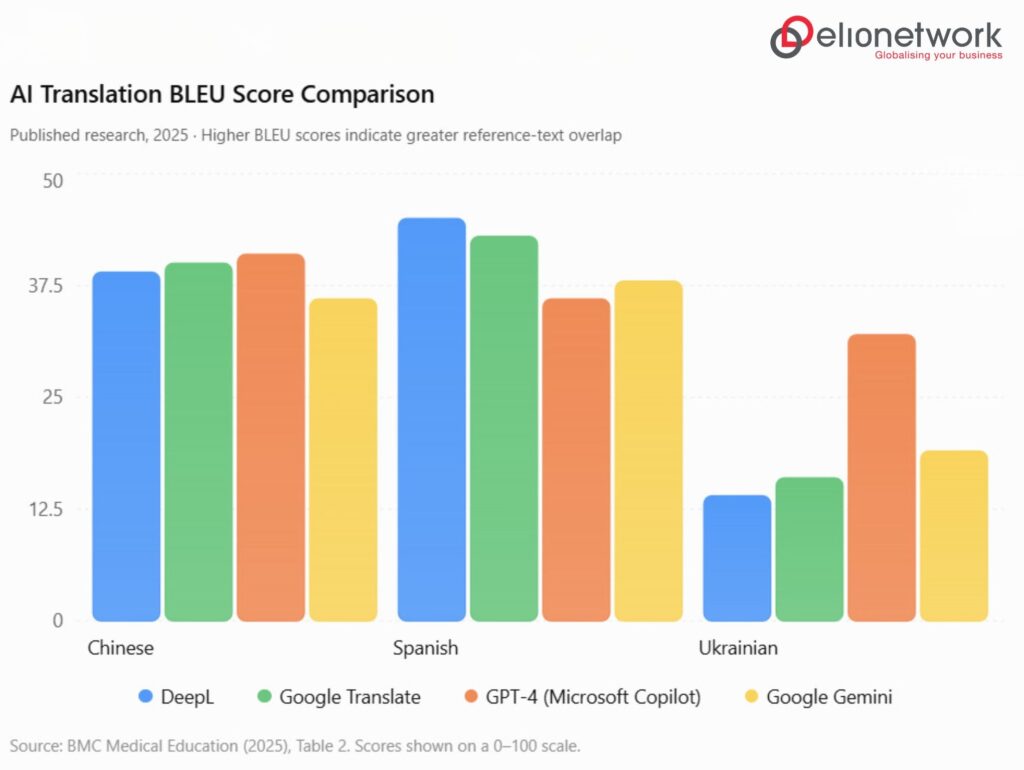
Not all languages are equally represented in the data used to train artificial intelligence. Languages such as English, Spanish and French generally benefit from substantial amounts of digital text and multilingual training resources. Other languages have fewer publicly available datasets, particularly for specialised subjects, regional varieties and informal communication.
This difference can influence translation accuracy, even when using advanced AI systems. For example, an AI model may translate a general business email from English into Vietnamese reasonably well but struggle with industry-specific terminology or expressions that depend on cultural context. Similarly, translating marketing content into Thai or Indonesian requires more than replacing words. The model must also recognise local communication styles, appropriate terminology and the intended audience.
Even within the same language, performance can vary depending on the subject matter and writing style. This explains why multilingual AI translation should not be treated as a single, uniform capability. A model’s overall performance does not necessarily indicate how well it will handle every language pair. Different AI translation models may have different strengths depending on their training data, architecture and intended applications.
2. Different Content Types Require Different AI Translation Models and Approaches
Language is only one part of the equation. The purpose of the content also influences which AI model or translation workflow is appropriate. Consider three common business scenarios.
Marketing content: Capturing the right tone
A Singapore-based company wants to adapt an English campaign for customers in Vietnam and Thailand. The original message uses humour, wordplay and an informal tone. An AI translator might produce grammatically correct sentences while losing the intended emotional appeal. In some cases, a literal translation could sound unnatural or fail to connect with local audiences. For marketing content, the priority is not always word-for-word accuracy. Brand voice, cultural relevance and persuasive meaning are equally important. A flexible AI model may help generate initial adaptations, but native-language review and creative judgement remain valuable.
Technical documentation: Maintaining consistency
A technology company needs to translate product manuals and support materials into several Asian languages. Unlike marketing copy, technical documentation depends heavily on consistent terminology and precise instructions. An AI model may translate the same technical term differently across documents, creating confusion for users. In this situation, a translation workflow that incorporates approved glossaries, translation memories and terminology checks may be more suitable than relying on a general-purpose AI model alone.
Legal and medical content: Prioritising accuracy
For legal agreements, medical information and regulatory documentation, even subtle translation errors can have serious consequences. An AI-generated sentence may sound fluent while changing an obligation, omitting a qualification or introducing an inaccurate technical term. These documents require particularly careful quality control. AI-powered translation may assist with certain stages of the process, but qualified human reviewers and subject-matter specialists are essential for validating high-risk content. The lesson is simple: the best translation approach depends on what the content needs to achieve, not simply which AI model is the most advanced.
3. A Growing Trend: AI Translation Model Selection and Intelligent Routing
One development in the localisation industry is the use of multiple AI translation models within a single workflow.
Instead of sending every document through the same translation engine, organisations can select different models based on the language pair, content type, terminology requirements and expected quality. This approach is often referred to as AI model routing. For example, a multilingual content workflow could:
- Identify the source language, target language and content category.
- Select an AI translation model based on previous performance and task requirements.
- Generate the initial translation using approved terminology and instructions.
- Evaluate the output for potential accuracy, consistency and formatting issues.
- Route sensitive or uncertain content to qualified human reviewers.
Some systems can automate parts of this process, reducing the need for teams to select a model manually for every translation request. However, intelligent routing does not automatically guarantee better translations. Its effectiveness depends on how models are evaluated, the quality of the reference data and the standards used to assess the output. For businesses managing multilingual content at scale, selecting the right AI translation models is becoming an important part of building reliable localisation workflows.
4. Why Southeast Asian Languages Deserve Particular Attention
Southeast Asia is one of the world’s most linguistically diverse regions. Businesses expanding across Singapore, Vietnam, Thailand, Indonesia, Malaysia and the Philippines must communicate with audiences who use different languages, writing systems and cultural conventions. This creates challenges for AI translation models, particularly when handling regional language variations and specialised terminology.
For example, Vietnamese uses tone marks that are essential to meaning, while Thai has different word-spacing conventions from English. Indonesian business communication can also vary in formality depending on the audience and context. In the Philippines, businesses may need to consider how Filipino, English and regional languages are used across different customer groups.
These differences do not necessarily mean AI performs poorly in these languages. However, they highlight why businesses should test translation quality rather than assume that one model will work equally well across every market. A system that performs strongly for English-to-Vietnamese translation may not be the strongest choice for English-to-Thai content. Similarly, results for general consumer messaging may not reflect performance on specialised financial, medical or technical documents.
For APAC businesses, translation accuracy should be evaluated by language pair, industry and intended use, not simply by the reputation of individual AI translation models. Local linguistic expertise also remains important for identifying culturally inappropriate expressions, unnatural phrasing and terminology that may not be obvious to automated evaluation systems.
5. How Businesses Can Choose the Right AI Translation Models
With more AI translation tools entering the market, businesses do not necessarily need to identify one universal winner. A more practical approach is to establish clear criteria for evaluating different models and workflows.
Start with your content requirements. Identify which materials require creative adaptation, precise terminology or specialist review. A marketing campaign and a regulatory document should not automatically follow the same process.
Test models using real business content. Generic demonstrations may not reflect actual performance. Use representative samples from your own websites, product materials or communication channels.
Evaluate each language pair separately. A model that performs well for one target language may produce different results for another. Include native-language reviewers when assessing output quality.
Measure more than fluency. Consider meaning, terminology, consistency, cultural appropriateness and formatting. Fluent text is not necessarily accurate text.
Include human review where needed. Define which content types require professional linguistic review, particularly when errors could affect safety, compliance, customer trust or brand reputation.
Monitor quality over time. AI models and translation platforms continue to evolve. Regular evaluation helps organisations determine whether their chosen tools remain suitable.
These practices can help businesses evaluate AI translation models more effectively and use AI-powered translation without sacrificing the quality of multilingual communication.
6. The Future of AI Translation: From One Model to the Right Workflow
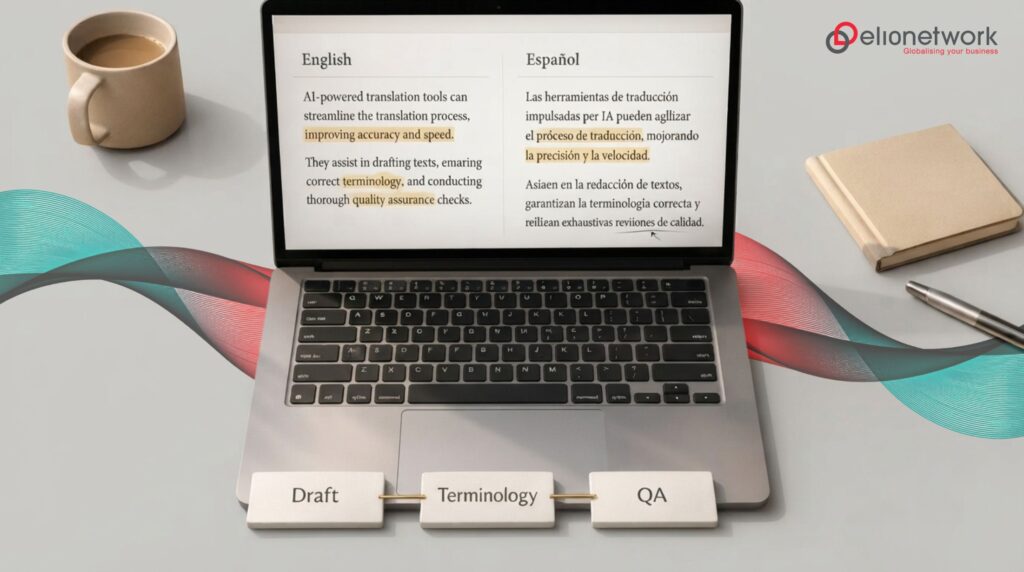
As AI technology develops, translation workflows are becoming more flexible. Businesses can increasingly combine different AI translation models, specialised translation engines, terminology databases, automated quality checks and human expertise. This creates opportunities to improve efficiency while maintaining control over translation quality.
However, technology alone is not enough. A reliable workflow must account for the content’s purpose, the target audience and the consequences of potential errors. For organisations operating across APAC, the ability to adapt translation processes to different markets is particularly important. The future of AI translation may therefore be less about finding one model that performs every task and more about selecting the right combination of technology, linguistic resources and professional review.
Conclusion: The Best AI Translator Depends on the Task
AI translation has made multilingual communication faster and more accessible. Yet no single model can be assumed to deliver the best results for every language, industry or content type. As businesses adopt more advanced AI translation models, understanding their strengths and limitations becomes increasingly important. Choosing the right technology is only the beginning. Translation accuracy also depends on terminology management, cultural understanding, quality assurance and appropriate human oversight. For companies expanding across multiple markets, a flexible approach can help maintain consistency while adapting communication to local expectations.
At elionetwork, we help businesses communicate across languages and cultures through professional translation, localisation and multilingual quality assurance. With experienced linguists and subject-matter expertise across industries, we support organisations in maintaining accurate, consistent and locally relevant content. As AI continues to reshape the translation industry, combining technology with human expertise can help businesses make more informed decisions about their multilingual communication. Planning to expand your multilingual content across APAC? Explore how elionetwork can support your localisation needs.