 Translation
 Transcreation
 DTP
DTP Multimedia
 Interpretation
 Copywriting
 Design
 Filming
 Technical Writing
 Digital Marketing
For many IT brands, events are more than a chance to meet people. They are valuable moments to explain complex products, build trust, strengthen partner relationships, and create a stronger brand presence in the market.
However, many companies still treat events as a one-day activity. They prepare the booth, print the brochures, attend the event, collect some contacts, and move on. In reality, effective event marketing for IT brands should start before the event and continue long after it ends.
A successful event is not only about being present. It is about making sure every touchpoint helps your audience understand who you are, what you offer, and why your technology matters.
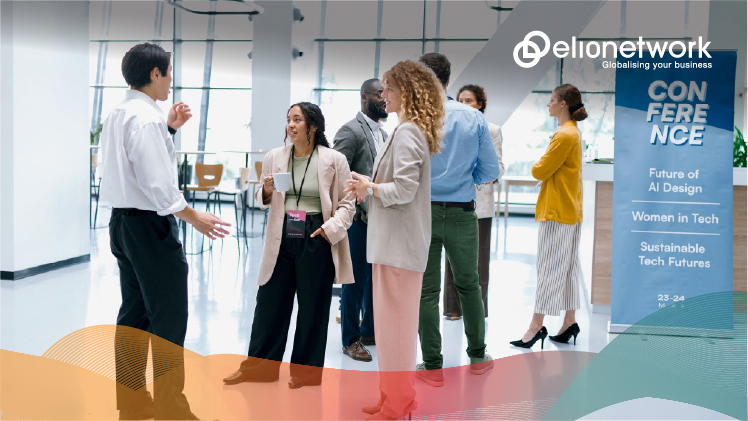
Why events matter for IT brands
IT products and services are often complex. Whether a company offers SaaS platforms, cybersecurity tools, cloud solutions, AI systems, enterprise software, or digital infrastructure, the audience may not understand the full value immediately.
This is where events can become powerful marketing touchpoints.
Unlike digital campaigns, events give brands the chance to communicate directly with customers, partners, and decision-makers. A good conversation, a clear presentation, a well-designed booth, or a useful product demo can make a brand easier to understand and remember.
A good example is Microsoft Ignite, Microsoft’s major event for technology professionals, developers, IT managers, enterprise customers, and partners. Microsoft describes Ignite as a place for people to build knowledge, explore emerging technologies, and connect around the era of AI. The event also draws a large audience of technology decision-makers, with Microsoft noting more than 17,000 attendees for Ignite 2025. This shows how a tech event can become more than a product showcase. It can become a platform for education, networking, customer insight, and brand positioning.
Before the event: Build awareness early
The event journey does not begin when visitors arrive at the booth. It starts much earlier.
Before the event, IT brands should focus on creating awareness and giving people a reason to connect. This can include invitation EDMs, social media announcements, landing page content, event banners, speaker introductions, and appointment-setting messages.
The key is to make the message simple and relevant. Instead of only saying “Visit us at Booth A12,” the content should explain why the audience should care.
For example:
What challenge will your product help solve?
What can visitors learn from your team?
Will there be a demo, consultation, workshop, or useful takeaway?
Why should they spend time meeting your brand at the event?
This stage is also where strong event content makes a difference. A clear pre-event message can help attract the right audience and improve the quality of conversations during the event.
For regional events, brands may also need localised invitation emails, social posts, event banners, or landing page content. Direct translation may not always be enough, especially when the message needs to feel natural in different markets.
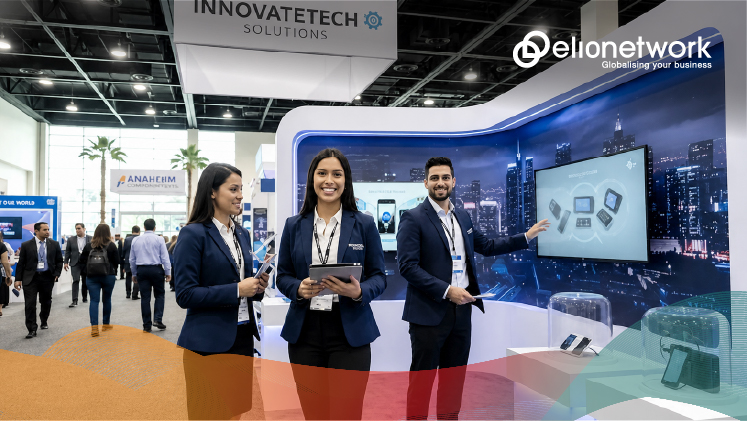
During the event: Make the message easy to understand
On the event day, attention is limited. Visitors may walk past many booths, attend multiple sessions, and receive information from different brands. This means your message needs to be clear quickly.
For IT brands, this can be challenging because the product may involve technical features, long explanations, or complex use cases. That is why event materials should not only look professional, but also help people understand faster.
Useful marketing materials for IT events may include product one-pagers, presentation decks, brochures, booth panels, demo scripts, sales talking points, event videos, case study summaries, and local language materials.
Each material should answer the audience’s main questions: What does this product do? Who is it for? What problem does it solve? Why is it different?
Cisco Live is a useful example here. Cisco positions its event as a place for people to learn from experts, build connections, discover technical education, and explore innovation. Cisco also highlighted Cisco Live 2025 San Diego with around 22,000 attendees, while its Melbourne event featured interactive demos, technical discussions, clinics, and mini-presentations covering topics such as Wi-Fi 7, multi-cloud security, Cisco XDR, and AI-ready data centres. This shows how technical content becomes more engaging when it is supported by demos, expert conversations, and clear event experiences.
After the event: Continue the conversation
Many event opportunities are lost after the event ends.
A visitor may show interest at the booth, exchange a business card, or ask for more details, but if the follow-up is slow or unclear, the connection may fade. This is why post-event communication is a key part of B2B event marketing.
After the event, IT brands should prepare follow-up emails, thank-you messages, recap posts, sales materials, and lead-nurturing content. These materials help continue the conversation and move potential clients closer to the next step.
A good follow-up should feel personal and useful. Instead of sending a generic message, brands can share relevant information based on the audience’s interest, such as a product overview, service brochure, case study, consultation offer, or event recap.
Post-event content can also support wider marketing goals. Photos, key takeaways, short videos, and LinkedIn posts can extend the value of the event beyond the venue and keep the brand visible online.

Why regional event support matters
For IT brands working across markets, event preparation can become more complex. A campaign that works in Singapore may need adjustment for Vietnam, Thailand, Indonesia, Hong Kong, or other regional markets.
Language is only one part of the process. The tone, visuals, examples, format, and CTA may also need to be adapted. This is why regional event support is valuable for brands that want to keep their global identity while communicating clearly with local audiences.
A strong regional event campaign usually brings together several elements: content creation, localisation, creative design, interpretation, event management, and post-event communication. When these parts work together, the event experience becomes smoother and more consistent.
How elionetwork supports event marketing
For brands preparing regional campaigns or events, elionetwork supports the details behind stronger communication. This includes event content, ata-contrast=”none”>localisation, copywriting, creative design, interpretation, marketing materials, and event management.
The goal is not only to help brands show up at events, but to help them communicate more clearly before, during, and after the experience.
From invitation EDMs and social content to brochures, presentation decks, booth materials, localised messages, and follow-up emails, elionetwork helps brands make their event communication more consistent, relevant, and market-ready.
Final thought
A successful IT event does not begin and end on event day. It depends on how clearly the brand communicates across the full journey.
Before the event, strong content builds awareness. During the event, clear materials help people understand. After the event, thoughtful follow-up keeps the conversation moving.
For IT brands, every event is a chance to turn technical information into a stronger brand experience. With the right content, localisation, design, and event support, a single event can become much more than a meeting point. It can become a powerful marketing touchpoint. Planning a regional event? elionetwork helps make your communication clearer and more market-ready.