


 Translation
 Transcreation
 DTP
DTP Multimedia
 Interpretation
 Copywriting
 Design
 Filming
 Technical Writing
 Digital Marketing
A quick POV from elionetwork
Conceptualisation in 2026 is changing in a quiet but important way. It’s not only about finding a clever headline or a single campaign idea anymore. More teams are trying to build an idea that can actually survive real life: multiple channels, tighter timelines, more markets, more formats, and more pressure to feel genuinely human.
At elionetwork, we’re seeing a clear pattern. The strongest creative doesn’t just look good on launch day. It keeps working when it’s adapted, translated, resized, animated, posted, reused, and localised again. That is the conceptualisation trend worth paying attention to.
Below are four shifts we keep running into across briefs in 2026. They also hint at where things may go by 2036, when speed and scale will be even more intense (and mistakes will travel faster too, sadly).
Trend 1: Human led AI conceptualisation (speed without giving up taste)
AI is now part of the concepting process for a lot of teams. But the better setups aren’t “AI replaces creatives”. They’re closer to “AI helps you explore faster, humans still decide what’s right”. That difference sounds small, but it changes everything.
In practice, AI is used to generate options quickly, pressure test messaging variations, or draft early directions. Then a human steps in to pick the route, refine tone, and make sure the message still sounds like the brand, not like a machine trying to be a brand. That last part matters because conceptualisation is judgement. It’s knowing what to not say, what to simplify, what to soften, and what will land badly in another market.
If you’re building a workflow around this trend, one helpful mindset is to treat AI like a super-fast junior teammate. It’s useful, it’s energetic, and it will sometimes produce something oddly confident and slightly wrong. So you keep the speed, but you don’t surrender responsibility. That’s a sweet spot.
From a brand point of view, this is also where governance quietly becomes part of design. Not as a boring checklist, but as the guardrails that protect consistency when you’re producing more content than ever.
Trend 2: Identity as a system, not just a logo
A lot of “design trend” talks still focus on what things look like. But in 2026, identity is increasingly about how the brand behaves across touchpoints. The logo is still important, of course, yet it’s rarely enough on its own.
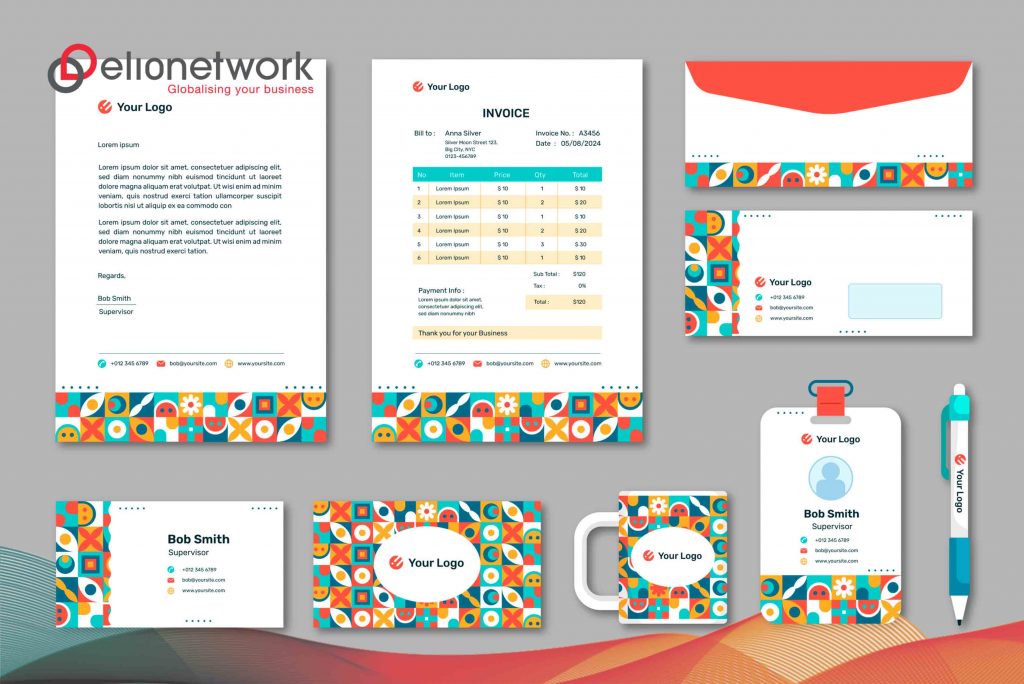
Brands are moving towards modular systems: components, templates, rules, and flexible assets that can travel across web, app, paid, social, events, internal comms, and partner channels. This is a conceptualisation trend because the concept is no longer “one hero visual”. The concept becomes the operating logic that holds everything together.
When identity is treated as a system, a few things get easier. You can scale content without reinventing the wheel each time. You reduce the “every market improvises” problem. And you avoid the awkward situation where one language fits nicely but another breaks the layout completely.
This is also where localisation and design need to meet earlier, not later. If a system is built with language expansion in mind, you stop fighting with spacing and start building with flexibility. It’s a small change in planning, but it saves so much rework on the line.
Trend 3: Motion first brand worlds (design that feels alive)
Motion is no longer a bonus layer for “the fancy version”. For many brands, motion is the first thing people experience: short video, reels, animated banners, product UI, in event screens, even micro interactions on a landing page.
The shift in 2026 is that motion is being used to define brand behaviour, not just decorate static layouts. Good motion tells you how the brand speaks, how it moves, how it guides attention, and how it paces information so it’s easier to absorb. When that’s done well, it feels natural, almost invisible. When it’s done badly, it feels like noise. We’ve all seen that, too.
Motion first thinking can also support localisation in a surprisingly practical way. When a translated message becomes longer, motion gives you timing tools. You can pace a line, stagger information, or guide the eye without squeezing everything into a cramped frame. That said, restraint matters. Accessibility matters. Clarity matters more than flair, always.
So if you’re exploring this design trend, the question isn’t “how do we animate this poster”. It’s “what does our brand look like when it’s alive, and how do we keep it recognisable across formats”.
Trend 4: Localise the full journey, not just the website
This trend shows up strongly in Southeast Asia, where language diversity is only one part of the story. In 2026, localisation is expanding beyond pages and posts into the full customer journey: checkout microcopy, payment steps, onboarding emails, help content, returns flows, and customer support tone.
Brands sometimes localise the top of the funnel beautifully, then lose trust at the bottom of the funnel with confusing payment language, unfamiliar labels, or support content that feels translated rather than written for the market. It’s not dramatic, but it’s decisive. People don’t always complain. They just don’t complete the purchase.
The conceptualisation trend here is subtle. Your idea cannot stop at the campaign message. The concept has to extend into experience. The promise you make in ads needs to feel consistent when someone tries to pay, asks a question, or requests a return.
In practical terms, “localise the full journey” means you think about wording, tone, and cultural expectations at every step. It’s not only accuracy, it’s familiarity. It’s the difference between “technically correct” and “this feels like it was made for me”. That emotional gap is where conversion often lives.
What these four trends have in common
If you step back, these trends point to one core shift: conceptualisation is becoming more operational. That might sound unromantic, but it’s actually freeing. The goal is not to produce more ideas. It’s to produce ideas that scale without falling apart.
Human led AI gives you speed without losing taste. Identity systems give you structure without killing creativity. Motion first design gives you behaviour, not just visuals. Full journey localisation gives you trust, not just reach. Put together, they form a modern conceptualisation trend that is built for reality.
From 2026 to 2036: where this might be heading
By 2036, we expect brand systems to be even more adaptive. Content will be produced faster, across more surfaces, and often personalised by context. That can be exciting, but it also increases risk. A flimsy concept will break faster. When a system is inconsistent, it will drift across markets quickly. Without governance, a brand voice will become patchwork.
So, the work in 2026 is not just chasing novelty. It’s building foundations that can handle scales. The brands that win in 2036 will probably be the ones who can move quickly while staying coherent and still sounding like humans.
How elionetwork supports this kind of conceptualisation
Our POV is that conceptualisation works best when creative and localisation are planned together early. Not after the campaign is approved, not after layouts are final. Early. That’s when you can make the idea easier to scale, and easier to keep consistent.
At elionetwork, we often support teams across the same four areas these trends touch: multilingual copywriting and transcreation, localisation for web and e commerce journeys, creative design systems and templates for multi market use, and content adaptation across formats including motion ready assets. We also help teams keep tone and terminology consistent, especially when speed is high and there are many hands in the work.
No drama, no hype. Just the practical stuff that helps a strong idea to stay strong when it travels.
Conclusion: the new standard is scalable, human, and locally true
If 2026 has one clear conceptualisation trend, it’s this: the best concepts are built to move. Moving across channels, across formats, and across languages, the brand still feels like one when it arrives.
As we look towards 2036, that ability to scale without losing trust will matter even more. So if you’re revisiting your brand direction or planning a new campaign system this year, it may be worth asking: is our concept only a message, or is it a full experience?
If you’d like, elionetwork can share a few practical recommendations based on your current assets and target markets, just to help you spot where a concept might drift when it scales. No pressure, just a useful second look.