


 Translation
 Transcreation
 DTP
DTP Multimedia
 Interpretation
 Copywriting
 Design
 Filming
 Technical Writing
 Digital Marketing
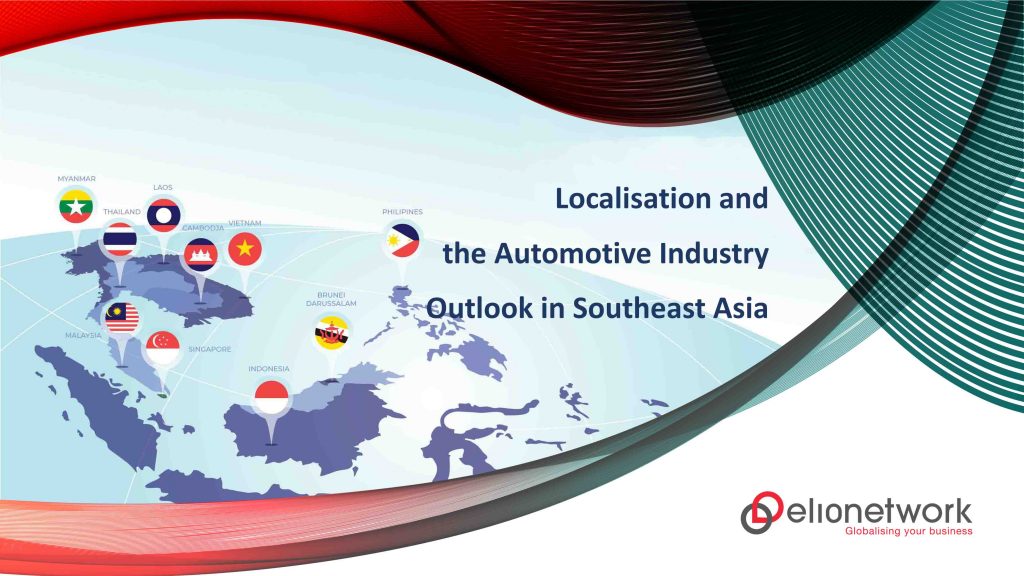
Southeast Asia is often celebrated for its tropical landscapes, vibrant cuisine, and warm hospitality. Beyond its cultural richness, the region is becoming one of the most dynamic automotive markets in the world. For international carmakers, it represents both untapped potential and unique challenges. Understanding the latest trends and the role of localisation is essential for success.
The Current State of Car Ownership
Recent figures show that the ASEAN automotive market remains significant despite short‑term fluctuations. In 2024, ASEAN‑6 light vehicle sales fell 5.4% to 3.28 million units, with Thailand and Indonesia experiencing sharp declines due to economic headwinds and tighter auto loans. Malaysia, however, grew by 2%, while the Philippines, Vietnam, and Singapore recorded robust gains thanks to economic recovery and new model launches.
This uneven performance highlights the diversity of the region. Mature markets like Thailand and Malaysia already have high car ownership, while emerging markets such as Vietnam and the Philippines are showing rapid growth. For automakers, this means opportunities are not evenly distributed and must be approached with country‑specific strategies.
automotive translation
Shifting Consumer Attitudes
Consumer preferences are evolving quickly. Deloitte’s 2025 Global Automotive Consumer Study notes that Southeast Asian buyers are increasingly prioritising private vehicles, a trend accelerated by the pandemic. In Vietnam, for example, the proportion of consumers preferring personal cars rose from 37% before COVID‑19 to over 50% today. This shift signals a growing willingness to invest in cars, especially among younger, urban populations.
Openness to New Technologies
Another defining characteristic of the region is its openness to innovation. EV adoption in ASEAN is accelerating: penetration rose from 9% in 2023 to 13% in 2024, driven by government incentives and rising environmental awareness. Thailand and Indonesia are positioning themselves as EV manufacturing hubs by 2030, while Malaysia and Vietnam are also making strides.
Consumers are showing strong interest in connected vehicles and advanced safety features. Surveys reveal that buyers in Thailand and Vietnam particularly value online connectivity, navigation systems, and automated safety technologies. This appetite for innovation makes Southeast Asia a promising market for hybrid vehicles, electric vehicles, and smart cars.
Challenges for International Brands
Despite the opportunities, foreign automakers face two major hurdles. The first is the language barrier: technical specifications, safety features, and marketing messages often lose impact when poorly translated. The second is local competition: domestic brands enjoy strong consumer trust, making it harder for international companies to gain traction. Overcoming these challenges requires more than just competitive products. It requires effective localisation.
The Role of Automotive Translation
This is where automotive translation services become critical. Accurate technical translation ensures manuals and safety instructions are understood correctly, while cultural localisation adapts marketing campaigns to resonate with local values. Done well, localisation builds trust and demonstrates respect for local consumers.
At elionetwork, we specialise in bridging this gap. Our linguists combine deep automotive expertise with cultural insight, ensuring that international brands communicate clearly and persuasively. By partnering with us, automakers can transform language from a barrier into a competitive advantage.
Conclusion
The Southeast Asia automotive market is entering a new phase of growth, driven by shifting consumer attitudes, rising EV adoption, and openness to advanced technologies. But success here requires more than great cars. It requires speaking the language of trust. Localisation is not optional; it is the key to connecting with consumers and building long‑term success.
👉 Partner with elionetwork to ensure your automotive brand makes a lasting impact in Southeast Asia. Contact us today for a free quote and trial.