


 Translation
 Transcreation
 DTP
DTP Multimedia
 Interpretation
 Copywriting
 Design
 Filming
 Technical Writing
 Digital Marketing
In Clarifying General Misconceptions about Translation – Part I, we have already discussed some of the wrong ideas that most people have. We feel that there is still a lot to say and want to help our readers get rid of misconceptions translation and other misunderstandings surrounding this field. The following content will certainly be relevant to you if you are planning to have any sort of texts translated.
Translators and interpreters are NOT the same
When you tell others that you are a translator, it’s very common to hear questions like “Oh, so you have to sit in a cabin for your work, right?” or “Wow, you meet a lot of important people then, don’t you?”. Such questions stem from one of the typical misconceptions translation faces, confusing translators with interpreters.
A translator works on written texts. This work is now mostly done remotely, as it’s easy to receive assignments online and submit them via email or cloud-based platforms. An interpreter, on the other hand, deals with spoken language. That’s why interpreters might sit in cabins or meet “important people” at international conferences, political meetings, or TV shows – while translators have no reason to do so.
CAT tools are NOT the same as machine translation
Most modern linguists use CAT tools for their professional practice. It’s important to clarify one of the common misconceptions translation faces: CAT tools are not the same as machine translation.
While machine translation is carried out by a machine and should not be used for anything that is actually really important (please find out more here), a CAT tool is a tool that linguists operate while they translate. To learn more about CAT tools, please check out our CAT tool blog and also get to know some basic concepts behind technology in translation!
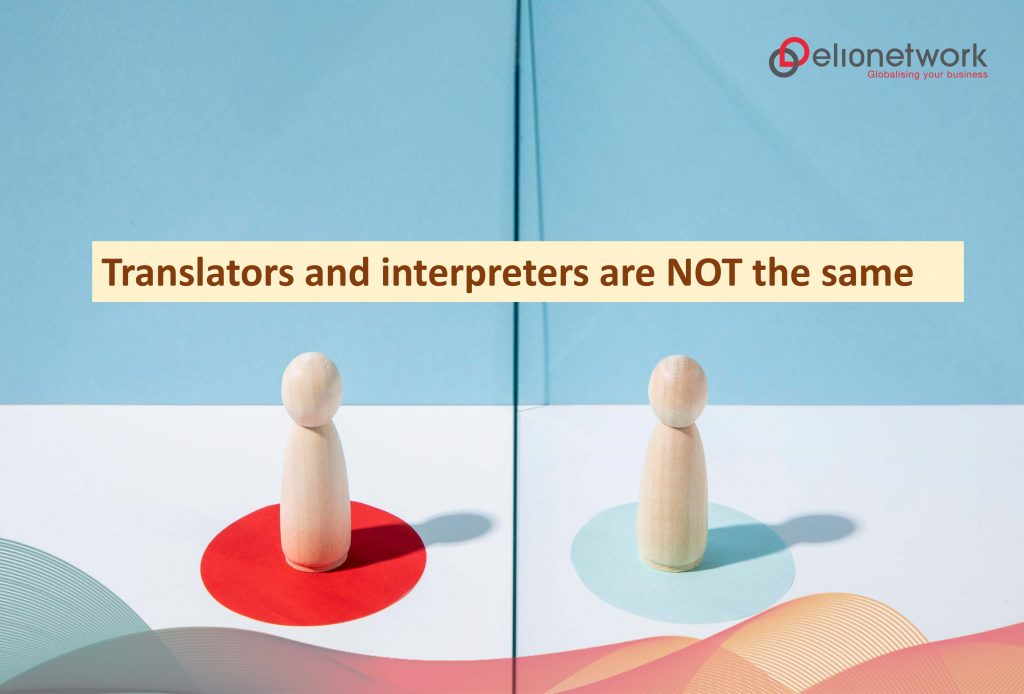
An English website alone is NOT enough to attract clients
Many businesses expand locally making use of the internet to reach new clients from all over the world. In many companies, it’s a common belief that having an English-language website is enough to attract international customers. However, this reflects a frequent misconception about translation. The truth, however, is that in order to be successful, you need to have website content in many more languages, as we explain here.
Even a talented translator CANNOT translate every type of content
Many people hold the belief that a professional translator, for example for Spanish to English, will be able to handle all sorts of Spanish to English assignments. In fact, this is one of the common misconceptions translation continues to face. Just consider how many fields there are – from medical texts and financial translation over poetry and marketing to IT, education, etc. Nobody can really claim that he/she can do all of it. That is why linguists normally specialise in certain areas or industries to guarantee high quality standards. A reliable translation service provider will help clients choose the right translator for each sort of text.
Now that you have read about these general misconceptions, do you feel like “Oh no – that sounds just like me”? Don’t worry! elionetwork knows that particularly clients who have never used translation services before, often hold incorrect assumptions about localisation – and we don’t blame them. What we do is to provide reliable advice for each and every client, listen to specific needs and find tailor-made solutions.
Please contact our professional team to see how we can help you.